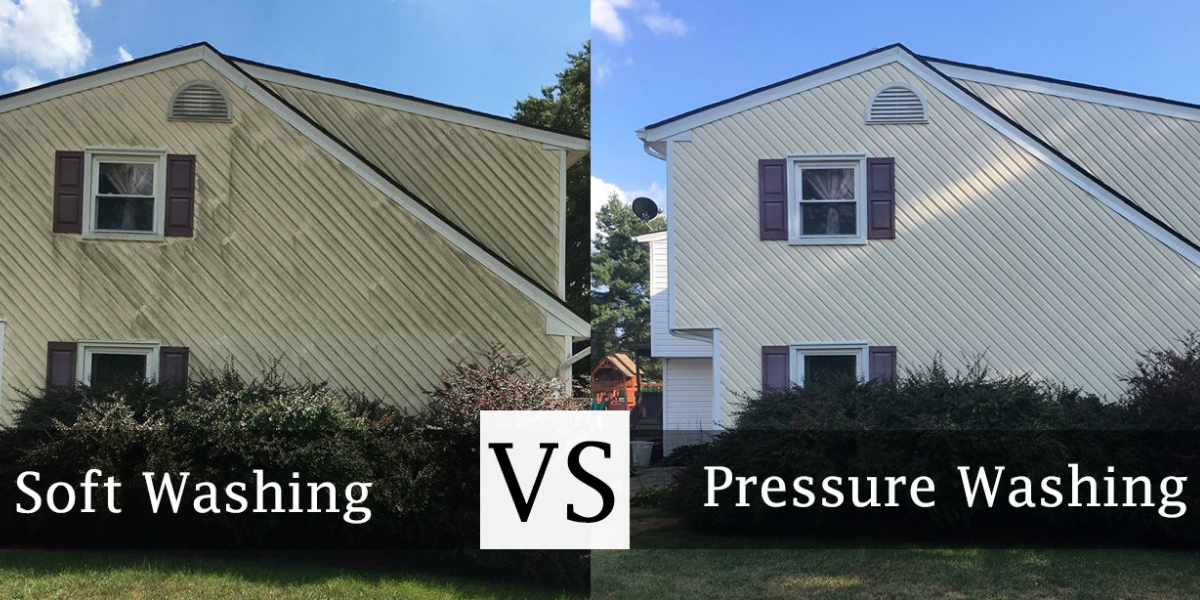
When it comes to cleaning the exterior of your home, not all methods are the same. Many homeowners assume that pressure washing is the best way to clean every surface, but in reality, different materials and conditions require different approaches. In Australia, where homes are exposed to strong sun, dust, coastal salt air, humidity, and organic growth, choosing the right cleaning method is especially important.
At Wash Rite Australia, we use both pressure washing and soft washing depending on the surface and condition of the property. Understanding the difference between these two methods can help you protect your home while achieving the best possible clean.
What is pressure washing?
Pressure washing uses high-pressure water to remove dirt, grime, stains, and buildup from hard surfaces. It is powerful and effective, especially on durable areas that can handle strong water force.
This method is commonly used on surfaces such as concrete driveways, paved areas, brick pathways, and some exterior hard surfaces. The strong water pressure helps break up stubborn dirt and wash it away quickly.
While pressure washing is highly effective, it is not suitable for all surfaces. If used incorrectly or on delicate materials, it can cause damage such as surface erosion, paint stripping, or water intrusion into vulnerable areas.
What is soft washing?
Soft washing is a lower-pressure cleaning method that uses specialised cleaning solutions combined with gentle water application. Instead of relying on force, soft washing targets dirt, mould, algae, and bacteria at a chemical level.
This method is ideal for more delicate surfaces such as house cladding, painted exteriors, roofing, weatherboards, and other materials that could be damaged by high pressure.
Soft washing not only cleans the surface but also treats the organic growth at its source, helping slow down regrowth and keeping the surface cleaner for longer.
The key differences between pressure washing and soft washing
The main difference between the two methods is the level of pressure used and how the cleaning is achieved.
Pressure washing relies on force to physically remove dirt and buildup, making it suitable for hard, durable surfaces. Soft washing uses a gentler approach with cleaning solutions that break down contaminants before being rinsed away.
Because of this difference, each method is suited to specific areas of your home. Using the wrong technique can lead to unnecessary damage or reduced cleaning effectiveness.
When pressure washing is the right choice
Pressure washing is most effective on tough, hard-wearing surfaces that can handle strong water pressure. It is often used for areas that experience heavy dirt buildup or foot traffic.
Driveways, concrete paths, patios, and outdoor paved areas generally respond well to pressure washing. These surfaces are designed to withstand force and benefit from deep cleaning to remove ingrained dirt and stains.
However, even on these surfaces, the correct pressure level must be used to avoid surface damage or erosion over time.
When soft washing is the safer option
Soft washing is the preferred method for most parts of a home’s exterior. This includes painted surfaces, weatherboards, roofs, cladding, and areas where mould, algae, or organic growth is present.
Because Australian homes are often exposed to humidity, salt air, and strong sunlight, organic growth can develop quickly on exterior surfaces. Soft washing is effective because it treats the root cause of the problem rather than just removing surface dirt.
It is also much safer for delicate materials that could be damaged by high-pressure cleaning methods.
Why using the wrong method can cause damage
One of the most common mistakes homeowners make is assuming that more pressure equals a better clean. In reality, using high pressure on the wrong surface can cause long-term damage.
Paint can be stripped, seals can be loosened, and water can be forced into areas where it shouldn’t go. This can lead to costly repairs and reduce the lifespan of exterior materials.
On the other hand, using soft washing on hard surfaces like concrete may not be as effective for deep stains, which is why selecting the correct method for each area is important.
Why professional cleaning gets better results
While DIY cleaning methods are available, professional exterior cleaning services are trained to assess each surface and choose the appropriate method. This ensures the home is cleaned effectively without unnecessary risk of damage.
Professionals also have access to specialised equipment and cleaning solutions that deliver more consistent and longer-lasting results compared to standard DIY equipment.
In many cases, combining both pressure washing and soft washing is the best approach to achieve a complete exterior clean.
Choosing the right method matters
Both pressure washing and soft washing play an important role in exterior cleaning, but they are not interchangeable. Each method has its own purpose and is suited to specific surfaces and conditions.
Pressure washing is ideal for hard, durable surfaces like concrete, while soft washing is better for roofs, walls, and delicate exterior materials. Using the right method helps protect your home while achieving a more effective and longer-lasting clean.
At Wash Rite Australia, we use a tailored approach to exterior cleaning to ensure every surface is treated correctly and safely.