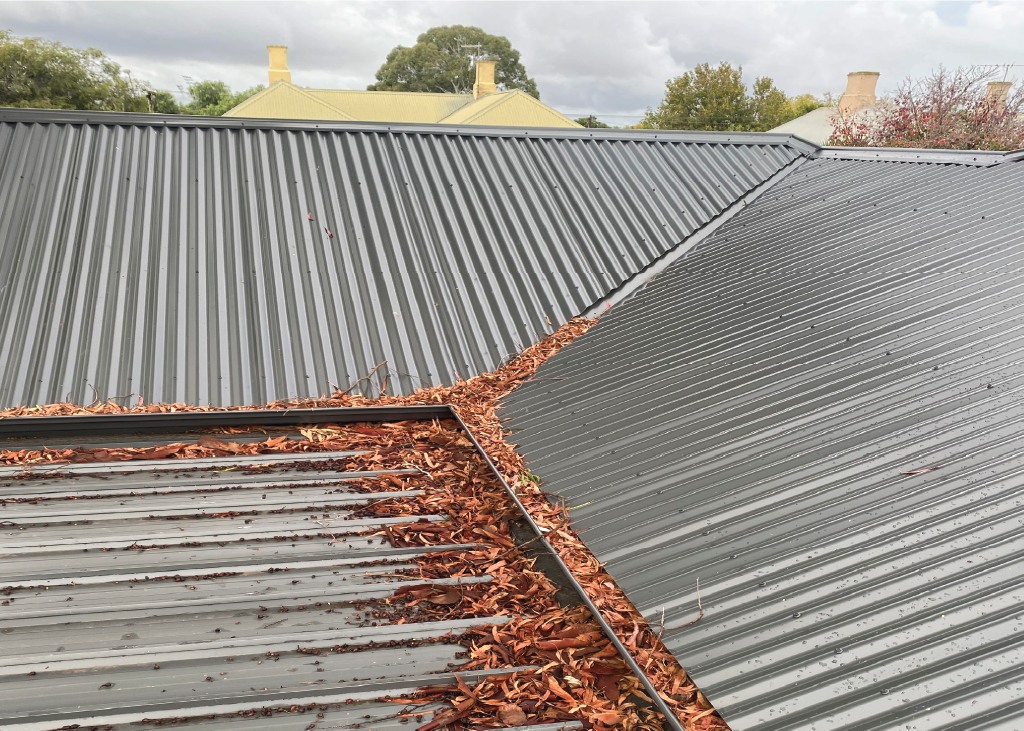
Every spring, as temperatures start climbing across Australia, local fire authorities issue the same warning: get your property bushfire-ready before the heat sets in. And every year, one of the most overlooked jobs on that list is also one of the most dangerous to skip — cleaning out your gutters.
At Wash Rite, we clean gutters across Australia , and this time of year our phones run hot for good reason. A gutter full of dry leaves, twigs and debris isn't just a maintenance headache — it's kindling sitting right on your roofline.
How Blocked Gutters Turn Into a Bushfire Risk
Bushfire season in Australia brings ember attack, and embers are the number one cause of homes being lost during a fire — not the fire front itself. Embers can travel kilometres ahead of a blaze, landing on rooftops and settling into the one place most homeowners forget to check: the gutters.
Here's the problem in plain terms:
- Dry leaf litter is fuel. Eucalyptus leaves, pine needles and general debris dry out over summer and ignite easily from a single ember.
- Gutters sit against your roofline and eaves. A fire that starts in your gutter has a direct path to your roof cavity and timber fascias.
- It happens fast. Homes have been lost to gutter fires that started from embers landing hours before a fire front even arrived in the area.
This is exactly why the CFA, RFS, and other Australian fire authorities list gutter clearing as a core Bushfire Survival Plan action, alongside clearing gutters of leaves and debris as part of general property preparation each season.
When Should You Clean Your Gutters Before Fire Season?
For most of [Your Suburb/Region], the ideal window is early-to-mid spring, before Total Fire Ban periods start and while conditions are still safe for working at height. If you live in a leafier, bushier, or tree-lined street — common across all states— you may need a second clean closer to peak summer, since gum trees and pines keep shedding right through the season.
A good rule of thumb for local homeowners:
- First clean: September–October, ahead of the fire danger period declaration.
- Check-up clean: December–January, especially after any windy weeks or storms.
- Ongoing: After any major wind event, even mid-season.
What a Proper Pre-Summer Gutter Clean Involves
Not all "gutter cleans" are equal. A thorough, fire-season-ready service should include:
- Full removal of leaves, twigs, seed pods and silt from gutters and valleys
- Clearing of downpipes to make sure water (and any future fire hose water) can actually flow
- A check of gutter guards, if fitted, for gaps or damage
- Inspection of the roofline for damaged flashing, rusted sections or gaps embers could enter
- Before-and-after photos, so you have proof of compliance for insurance or council requirements
This last point matters more than people realise: some insurers and local councils in bushfire-prone zones ask for evidence that fire preparation steps — including gutter clearing — were carried out before the season began.
Why DIY Gutter Cleaning Gets Skipped (and Why That's Risky)
We get it — cleaning gutters is not anyone's favourite Saturday job. It usually gets pushed down the list because it means:
- Getting on a ladder, often on a sloped or two-storey roof
- Dealing with wasp nests, mould, or built-up sludge
- Not having the right gear to clear downpipes properly
- Simply not having the time between work, kids and everything else
The problem is, "I'll get to it before summer" is exactly how gutters end up full going into the worst fire months. If height, time, or safety are holding you back, that's precisely the gap a local professional gutter cleaning service is there to fill.
Local, Fast, Fire-Season Ready: Why Homeowners in VIC, NSW & QLD Choose Wash Rite
We're based right here in Australia, and every spring we help homeowners across Melbourne, Sydney, Brisbane and surrounding areas get fire-ready fast. Here's what sets us apart:
- Local knowledge: We know which streets sit under heavy tree canopy and need extra attention, and which areas fall under stricter council bushfire overlays.
- Fully insured and safety-equipped: No risky DIY ladder work for you.
- Fast turnaround during peak season: We know fire season doesn't wait, so we prioritise bookings as Total Fire Ban periods approach.
- Photo documentation: Useful for your own records, insurance, or if you're in a designated bushfire-prone area.
- Add-on services: Gutter guard installation, downpipe clearing, and roof debris removal available in the same visit.
Don't Wait for the First Fire Danger Warning
Once fire danger ratings climb and Total Fire Ban days start being called, gutter cleaning bookings across Australia fill up fast — everyone remembers at the same time. Getting it done early means one less thing to worry about when the warnings start.
Ready to get your gutters cleared before bushfire season hits ? Contact Wash Rite today on 1800101216 or book online at www.washrite.com.au/get-a-quote for a free quote.
Frequently Asked Questions
How often should gutters be cleaned before bushfire season in Australia?
Most homes need at least one thorough clean in early spring, with a second check-up in December or January if the property has nearby trees. Properties in high-risk bushfire zones may need clearing every 6–8 weeks through the season.
Is gutter cleaning a legal requirement for bushfire preparation? Requirements vary by council and state.
Many bushfire-prone areas include gutter clearing as part of a mandatory Bushfire Management Statement or Fire Prevention Notice, so it's worth checking with [Local Council Name] directly.
Can I clean my own gutters instead of hiring a professional?
You can, but ladder-related falls are a leading cause of home injury in Australia, and DIY cleans often miss downpipe blockages and hidden fascia damage. A professional clean is quicker, safer, and typically includes a broader inspection.
Does gutter cleaning help with insurance claims?
Some insurers ask for evidence of bushfire preparation, including gutter maintenance, especially for properties in declared bushfire-prone zones. Keep your service receipt and any before/after photos on file.